Sleep Disturbances

Sleep Disorders

Sleep disorders (or sleep-wake disorders) involve problems with the quality, timing, and amount of sleep, which result in daytime distress and impairment in functioning. Sleep-wake disorders often occur along with medical conditions or other mental health conditions, such as depression, anxiety, or cognitive disorders. Some of the signs and symptoms of sleep disorders include excessive daytime sleepiness, irregular breathing or increased movement during sleep. Other signs and symptoms include an irregular sleep, wake cycle and difficulty falling asleep. There are many different types of sleep disorders. They’re often grouped into categories that explain why they happen or how they affect the individual. Sleep disorders can also be grouped according to behaviours, problems with natural sleep-wake cycles, breathing problems, difficulty sleeping.

Common Behavioral Problems in Children

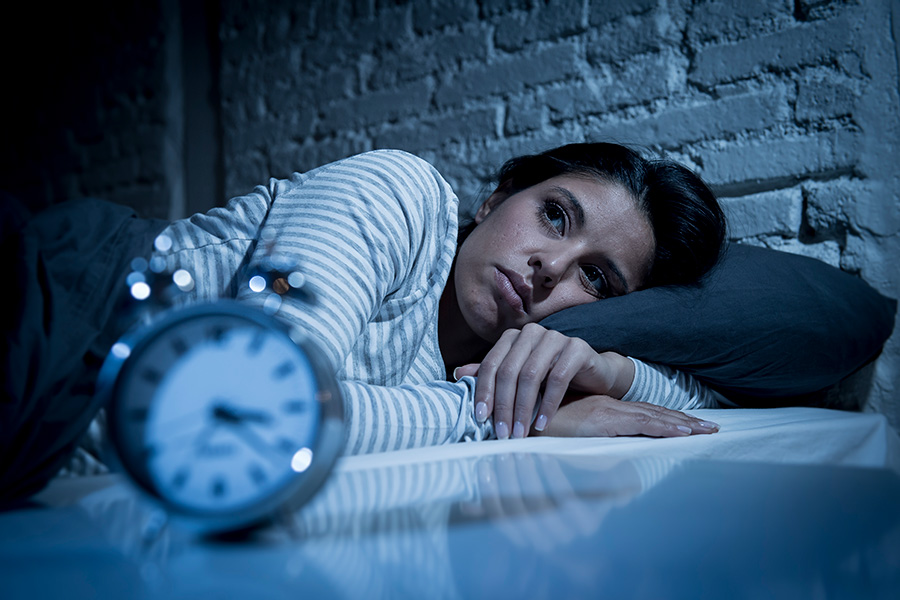
  • Insomnia, in which individual have difficulty falling asleep or staying asleep throughout the night.
  • Sleep apnea, in which individual experience abnormal patterns in breathing while asleep. There are several types of sleep apnea.
  • Restless legs syndrome (RLS), a type of sleep movement disorder. It causes an uncomfortable sensation and an urge to move the legs while try to fall asleep.
  • Narcolepsy, a condition characterized by extreme sleepiness during the day and falling asleep suddenly during the day.
19 1243 NHLBI OY2 Q1 FHT Insomnia_900x600px 1
There are different causes for different sleep disorders, including
  • Other conditions, such as heart disease, lung disease, nerve disorders, and pain
  • Mental illnesses including depression and anxiety
  • Medicines
  • Genetics
  • Sometimes the cause is unknown.
There are also some factors that can contribute to sleep problems, including
  • Caffeine and alcohol
  • An irregular schedule, such as working the night shift
  • Aging. As people age, they often get less sleep or spend less time in the deep, restful stage of sleep. They are also more easily awakened.

Management

  • Good sleep habits and other lifestyle changes, such as a healthy diet and exercise
  • Cognitive behavioral therapy or relaxation techniques to reduce anxiety about getting enough sleep
  • CPAP (continuous positive airway pressure) machine for sleep apnea
  • Bright light therapy (in the morning)
  • Medicines
Contact with us

Get Free Consultation